
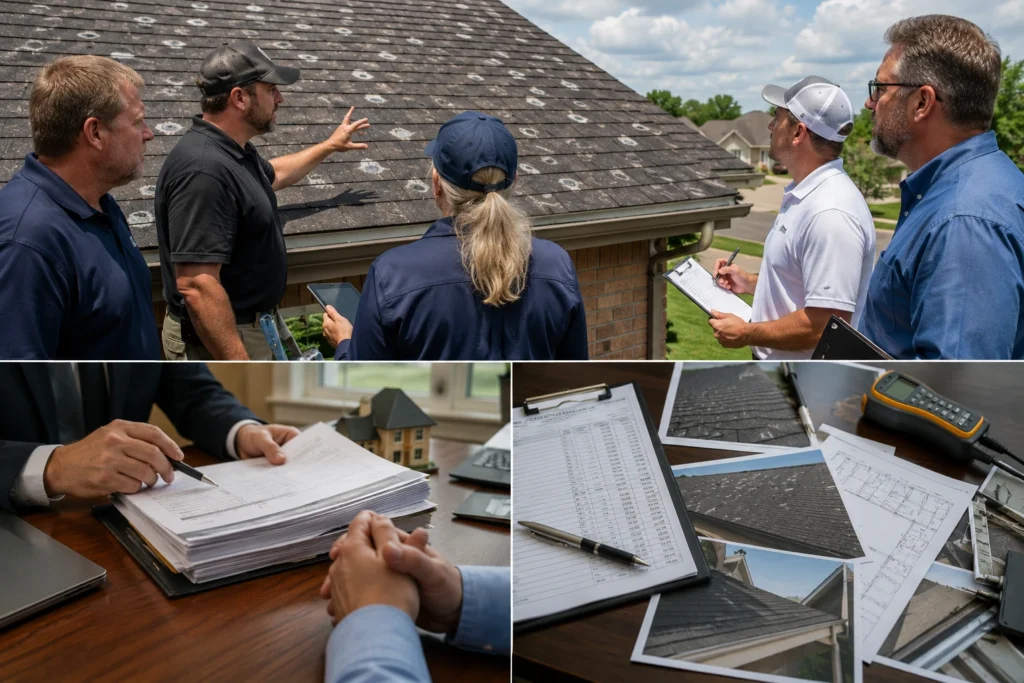
A denied roof claim can feel like a punch to the stomach. One day you are dealing with a hailstorm. The next, you open a letter saying the insurance company will not pay for the damage. Frustrating? Absolutely. Expensive? Potentially very. For many homeowners searching for What to Do If Your Hail Claim Was Denied in Abilene, TX, the biggest mistake is assuming the denial is final. It often is not.
In fact, many denied hail claims eventually get reopened, supplemented, or partially reversed after stronger evidence, additional inspections, and professional representation enter the picture. That matters enormously in West Texas, where hailstorms can destroy roofing systems, dent metal components, damage siding, and create hidden water intrusion that gets worse over time. The key is responding strategically instead of emotionally. This guide breaks down exactly what homeowners should do after a denied hail claim in Abilene, how insurance companies evaluate damage, what documentation actually changes outcomes, and when it may be time to involve a public adjuster or attorney. Because once the denial letter arrives, the real claim process often begins.
Why Hail Claims Get Denied So Often
Insurance companies deny hail claims for many different reasons. Some are legitimate. Others are highly questionable. And sometimes the denial happens simply because the initial inspection missed important damage. Here are the most common reasons homeowners hear after filing a hail claim.
| Common Denial Reason | What It Usually Means |
| Wear and tear | Carrier argues damage was caused by aging |
| No storm-created damage | Adjuster claims hail did not damage the roof |
| Cosmetic damage only | Damage exists but allegedly does not affect function |
| Claim filed too late | Insurer argues evidence deteriorated |
| Damage below deductible | Repairs allegedly cost less than deductible |
| Pre-existing damage | Carrier says issues existed before the storm |
This becomes especially frustrating because many hail impacts are not obvious from the ground.
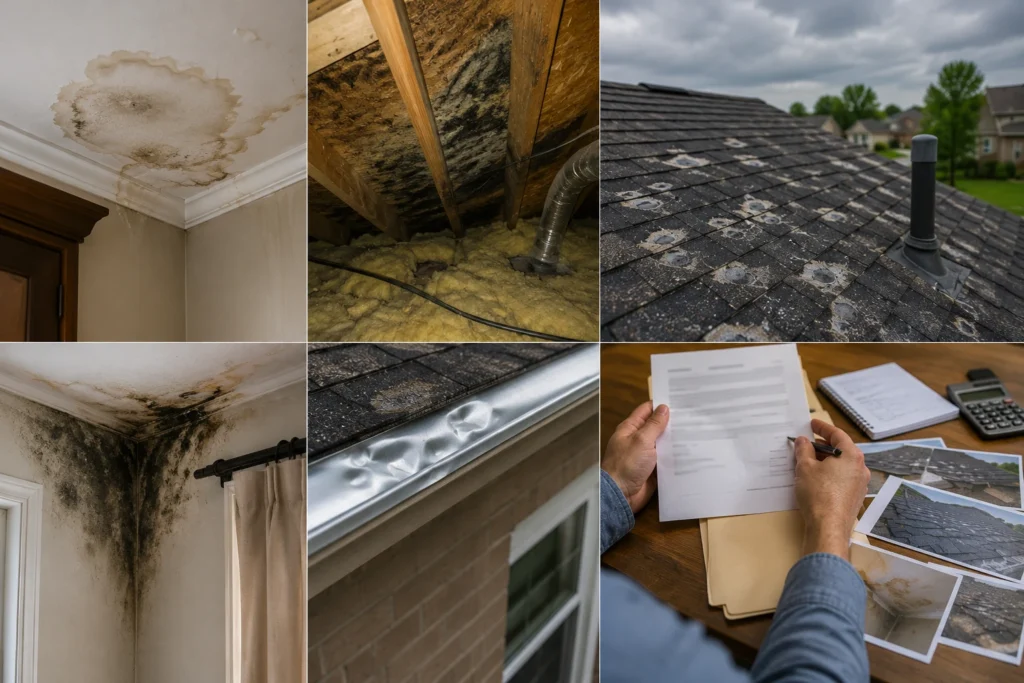
A roof can appear fine to a homeowner while suffering:
- Bruised shingles
- Granule loss
- Cracked seal strips
- Soft metal damage
- Compromised flashing
- Hidden underlayment deterioration
That is one reason so many homeowners researching What to Do If Your Hail Claim Was Denied in Abilene, TX end up discovering their first inspection was incomplete.
Why Hail Damage Is Frequently Missed
Not every adjuster performs the same quality inspection. After major Texas storms, carriers often handle enormous claim volumes. Adjusters move quickly. Roofs get inspected rapidly. Important details sometimes get overlooked. And once a denial enters the file, reversing it becomes harder unless the homeowner produces stronger evidence. Here is where problems usually happen.
Limited Roof Inspections
Some inspections are surprisingly short. An adjuster may inspect only a few slopes. Or fail to check softer metals carefully. Or overlook collateral indicators like damaged vents, gutters, HVAC fins, and window screens. That matters because hail damage patterns often tell the full story.
Hidden Damage Appears Later
Leaks sometimes do not appear immediately.
Weeks later homeowners suddenly notice:
- Ceiling stains
- Moisture in attics
- Mold growth
- Dripping around vents
- Damaged insulation
At that point, the denial becomes even more stressful.
Abilene Weather Creates Unique Problems
West Texas storms are aggressive. Wind-driven hail can strike roofs at angles that create inconsistent damage patterns. Older roofing systems throughout Abilene neighborhoods also complicate inspections because insurers frequently blame age instead of storm impacts. Add intense Texas heat into the equation and roofing materials deteriorate even faster after a storm event.
First Steps After Your Hail Claim Was Denied in Abilene, TX
Panic does not help. Documentation does. The first 72 hours after receiving a denial are important.
Do Not Accept the Denial Immediately
A denial letter is not necessarily the final word.
Many claims get reopened after:
- Reinspections
- Supplemental estimates
- Engineering reviews
- Contractor reports
- Public adjuster involvement
I have seen claims denied initially and later approved for full roof replacements after additional evidence surfaced. It happens more often than people think.
Request the Full Denial Letter
Never rely on verbal explanations. Request the complete written denial if you do not already have it.
Look carefully for phrases like:
- “Cosmetic damage”
- “Wear and tear”
- “Mechanical deterioration”
- “No storm-created opening”
- “Excluded damage”
- “Insufficient evidence”
These phrases reveal how the insurance company is positioning the denial. And that helps determine your next move.
Review Your Insurance Policy Carefully
Now is the time to study the policy language.
Pay close attention to:
- Roof exclusions
- Deductibles
- Replacement cost provisions
- Actual cash value limitations
- Time limitations for claims
- Cosmetic endorsements
Many homeowners never review these details until after a denial appears. Big mistake. Understanding the policy changes how you fight the claim.
Organize Your Claim File Like a Professional
Organization creates leverage. Messy claims become harder to dispute effectively.
Create digital folders for:
- Roof photos
- Interior damage
- Weather reports
- Emails
- Inspection reports
- Contractor estimates
- Receipts
- Temporary repairs
- Claim correspondence
Cloud storage helps tremendously.
Options include:
- Google Drive
- Dropbox
- OneDrive
- iCloud
Simple organization can dramatically improve negotiations later.
Documenting Hail Damage Correctly
This is where many denied claims are either revived or permanently weakened. Evidence matters. Specific evidence matters even more.
Take Detailed Photos Immediately
Do not rely solely on the insurance company’s inspection photos.
Capture:
- Entire roof slopes
- Close-up hail impacts
- Dented vents
- Gutters
- Downspouts
- Window screens
- Fence staining
- HVAC condenser fins
- Water intrusion areas
Use both wide-angle and close-up shots. Good documentation tells a visual story. Proper evidence collection becomes critical during disputed roof claims. Homeowners researching How to Document Hail Damage for an Insurance Claim should focus heavily on photo consistency, weather timelines, contractor reports, and preserving damaged materials whenever possible. Detailed documentation often becomes the deciding factor when insurers dispute storm causation or attempt to classify damage as normal wear and tear.
Gather Weather Data
Strong storm evidence helps establish causation.
Useful resources include:
- NOAA storm reports
- Local hail maps
- Radar archives
- Weather service alerts
The National Oceanic and Atmospheric Administration maintains extensive storm databases that often help confirm hail activity in specific locations. NOAA Storm Events Database
Keep a Timeline of Events
Timelines strengthen disputes because they show claim progression clearly.
| Date | Event | Notes |
| April 12 | Hailstorm occurs | Golf ball sized hail reported |
| April 14 | Claim filed | Carrier assigns adjuster |
| April 18 | Initial inspection | Roof partially inspected |
| April 23 | Denial issued | Wear and tear cited |
| April 26 | Independent inspection | Additional impacts documented |
This becomes valuable later if the dispute escalates.
Independent Inspections Often Change Everything
This is one of the biggest turning points in denied hail claims. Independent inspections frequently uncover damage the original adjuster missed.
Roofing Contractors
Experienced roofing contractors understand storm damage patterns extremely well.
They often identify:
- Bruised shingles
- Cracked mats
- Flashing damage
- Lifted shingles
- Underlayment problems
Not all contractors are equal though. Some simply chase storms and inflate expectations. Others provide detailed, evidence-based inspections that genuinely strengthen claims.
Choose carefully.
Public Adjusters
Public adjusters work for the policyholder, not the insurance company. That distinction matters.
A public adjuster may:
- Review the policy
- Document damages
- Prepare estimates
- Negotiate with the carrier
- Submit supplements
- Coordinate inspections
For homeowners researching What to Do If Your Hail Claim Was Denied in Abilene, TX, professional representation often becomes necessary once disputes grow technical.
Engineers
Sometimes engineering evaluations become necessary in larger disputes.
Especially when insurers argue:
- Mechanical deterioration
- Installation defects
- Long-term aging
- Non-storm causes
Engineering reports can significantly influence claim outcomes. In larger disputes, some inspections may involve advanced surface analysis techniques similar to principles used in tribology when evaluating impact patterns, friction damage, and material deterioration on roofing components.
Common Mistakes That Hurt Denied Hail Claims
Some homeowners unintentionally weaken otherwise strong claims. Avoid these mistakes.
Waiting Too Long
Time hurts evidence. Roof conditions change quickly under Texas weather conditions.
Delays allow insurers to argue:
- Damage worsened naturally
- Evidence deteriorated
- Repairs were neglected
Act quickly instead.
Throwing Away Damaged Materials
Never discard damaged roofing materials immediately. Preserved evidence matters. Especially during disputes involving causation.
Relying Only on Verbal Conversations
Always request written communication. Always.
Document:
- Claim decisions
- Coverage explanations
- Inspection findings
- Settlement offers
- Repair scope discussions
Email creates accountability.
Accepting Partial Repairs Too Quickly
A patch today may create larger problems tomorrow.
Partial repairs sometimes lead to:
- Color mismatching
- Reduced roof lifespan
- Hidden leaks
- Future denial issues
Understand the long-term implications before agreeing.
Hiring Based Only on Price
Cheap inspections often produce weak documentation. Weak documentation weakens negotiations. Quality expertise matters far more than bargain pricing after a hail loss.
How to Reopen a Denied Hail Claim
This is where strategy becomes critical.
Request a Reinspection
Professional, evidence-based requests work best. Avoid angry emotional demands.
Instead provide:
- Additional photos
- Contractor findings
- Weather reports
- New estimates
- Inspection discrepancies
Strong evidence creates pressure for reevaluation.
Submit Supplemental Documentation
Supplements are common in property claims. Very common.
Useful supplemental evidence may include:
- Roofing estimates
- Engineering reports
- Moisture readings
- Code upgrade documentation
- Additional photos
- Neighboring damage evidence
Many claims evolve substantially after supplemental submissions.
Understand the Reinspection Process
A second inspection may involve:
- Another carrier adjuster
- A supervisor
- Contractors
- Public adjusters
- Engineers
This is often where claim direction changes significantly. Because now the evidence gets challenged directly.
How Public Adjusters Help Denied Hail Claims
Many homeowners do not fully understand what public adjusters actually do. They are not contractors. They are not carrier adjusters either. They represent policyholders.
What Public Adjusters Typically Handle
A public adjuster may assist with:
- Policy analysis
- Scope preparation
- Claim documentation
- Negotiation strategy
- Supplemental estimates
- Reinspection coordination
They essentially manage the claim dispute process professionally.
Why Denied Claims Often Need Representation
Denied claims become technical quickly.
Especially once arguments involve:
- Causation
- Depreciation
- Roofing systems
- Estimating software
- Code upgrades
- Matching issues
That complexity is why many homeowners looking into What to Do If Your Hail Claim Was Denied in Abilene, TX eventually seek professional assistance.
Public Adjuster vs Insurance Adjuster
| Role | Represents | Main Goal |
| Insurance Adjuster | Insurance company | Control claim costs |
| Public Adjuster | Homeowner | Maximize legitimate settlement |
That distinction shapes every negotiation.
Signs You Should Consider Hiring a Public Adjuster
You may need representation if:
- Your roof replacement was denied
- Multiple inspections reached different conclusions
- Interior damage exists
- The claim value is substantial
- Commercial property is involved
- The carrier refuses reconsideration
The larger the dispute becomes, the more expertise matters.
Roofing Contractors Become Critical During Disputes
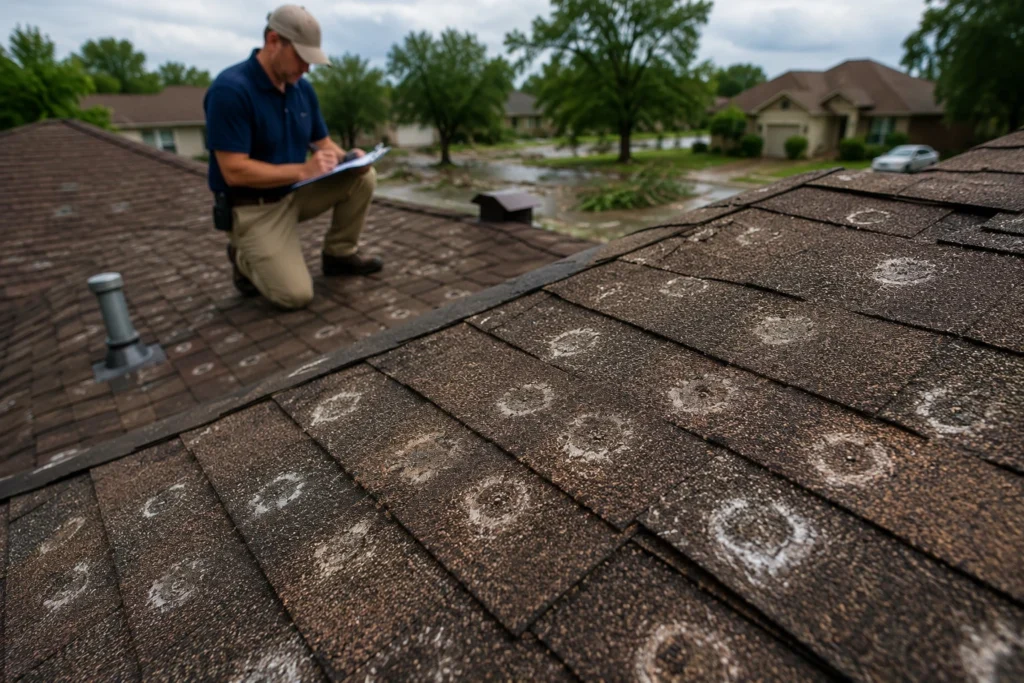
Contractors often become key witnesses in denied hail claims. Especially experienced local roofers.
Contractors Frequently Identify Overlooked Damage
Good contractors document:
- Soft metal impacts
- Flashing damage
- Vent strikes
- Shingle bruising
- Underlayment deterioration
That detail strengthens supplemental claims considerably.
Detailed Estimates Matter
Line-item estimates carry more weight than vague pricing.
Strong estimates include:
- Material pricing
- Labor costs
- Tear-off requirements
- Disposal fees
- Flashing replacement
- Ventilation upgrades
- Code requirements
Detailed scopes make disputes harder to dismiss.
Local Experience Matters in Abilene
Local contractors understand:
- West Texas weather
- Regional roofing materials
- Local building codes
- Typical storm patterns
That local knowledge becomes valuable during negotiations.
Insurance Company Tactics During Denied Claims
Not every denial is malicious. But homeowners should still understand common carrier strategies.
Cosmetic Damage Arguments
One common tactic involves labeling damage “cosmetic only.”
This often applies to:
- Metal roofs
- Gutters
- Vents
- Soft metals
The insurer argues appearance changed but functionality did not. That debate can become extremely technical.
Aging Roof Arguments
Older roofs create another battleground.
Carriers may argue:
- Granule loss came from age
- Cracking pre-existed the storm
- Installation defects caused failures
Independent evidence becomes crucial here.
Initial Estimates Often Miss Items
Especially after widespread storms. Large claim volumes create pressure for fast inspections.
That can lead to:
- Missing flashing
- Incomplete measurements
- Missed interior damage
- Underestimated labor
- Ignored code upgrades
Detailed reinspections frequently uncover these omissions.
What Happens If the Insurance Company Still Refuses to Pay?
Some disputes continue despite supplemental evidence. At that stage escalation may become necessary.
Escalate Internally First
Ask for:
- Supervisor review
- Claims management review
- Written reconsideration
- Internal dispute handling
Sometimes another set of eyes changes the outcome.
File a Complaint With the Texas Department of Insurance
The Texas Department of Insurance may review complaint patterns and carrier conduct. A complaint alone does not guarantee payment. But it can create additional scrutiny. Proper documentation becomes extremely important here.
Understand the Appraisal Process
Some policies include appraisal clauses. Appraisal typically addresses value disputes rather than direct coverage disputes. Still, it can become a useful tool in certain situations.
Legal Action Sometimes Becomes Necessary
Especially involving:
- Bad faith allegations
- Significant underpayments
- Wrongful denials
- Commercial losses
At that point legal counsel may become appropriate.
Realistic Expectations After a Denied Hail Claim
Not every denial becomes a six-month war. Some reopen quickly after better documentation appears. Others take time.
Smaller Claims Sometimes Resolve Fast
Minor documentation gaps can often be corrected quickly.
Especially when:
- Weather evidence is strong
- Damage is obvious
- Supplemental estimates are detailed
Larger Claims Take Longer
Complex disputes may involve:
- Engineers
- Attorneys
- Multiple inspections
- Supplemental negotiations
- Extensive documentation reviews
Patience becomes important.
Persistence Matters Enormously
Many successful claims started as denied claims. That is the reality. Homeowners who stay organized and proactive generally place themselves in a far stronger negotiating position.
Preventing Future Hail Claim Problems
Preparation helps long before the next storm arrives.
Schedule Roof Inspections Regularly
Especially after major hailstorms. Early documentation creates stronger future evidence.
Keep Property Records Organized
Maintain copies of:
- Roof invoices
- Inspection reports
- Repair records
- Warranty documents
That history becomes valuable later.
Photograph Your Property Before Storm Season
Pre-loss photos help prove storm-related changes. Simple step. Huge value.
Understand Your Policy Before Damage Happens
Many homeowners discover exclusions too late.
Know your:
- Deductibles
- Roof endorsements
- Cosmetic limitations
- Replacement provisions
Understanding coverage early prevents surprises later.
Denied Does Not Mean Defeated
A denied roof claim feels overwhelming initially. I understand why. Roof replacements are expensive. Water damage spreads quickly. And dealing with insurance disputes while protecting your property creates enormous stress. But homeowners searching for What to Do If Your Hail Claim Was Denied in Abilene, TX should remember something important. Denied claims are often challenged successfully.
The strongest outcomes usually come from:
- Fast action
- Organized evidence
- Independent inspections
- Detailed documentation
- Strategic negotiation
Not panic. Not emotional arguments. Evidence changes claim outcomes. That is why organized homeowners frequently recover far more than those who simply accept the first denial letter and move on. And in a hail-prone area like Abilene, protecting your property properly after a storm is far too important to abandon after one inspection.
FAQs
Yes. Many denied hail claims are reopened after additional inspections, stronger documentation, or supplemental evidence is submitted.
The timeline depends on your insurance policy and Texas regulations, so review your policy immediately after receiving the denial letter.
If the claim involves major roof damage, large estimate differences, or repeated denials, professional representation may help strengthen negotiations.
Detailed roof photos, contractor reports, weather data, engineering evaluations, and organized timelines often help challenge denials successfully.
Absolutely. Many hail-damaged roofs show bruising, granule loss, or compromised shingles long before leaks appear inside the home.
Carriers sometimes argue older roofs naturally deteriorated over time rather than suffering storm-created damage from hail impacts.
Yes. Independent inspections frequently uncover overlooked damage missed during the original carrier inspection.
Avoid delaying action, throwing away damaged materials, relying only on verbal conversations, or accepting rushed repair offers.
Yes. Contractors often participate during reinspections to point out overlooked storm damage and explain repair requirements.
It can. While complaints do not guarantee payment, they may encourage additional claim review and documentation scrutiny.