
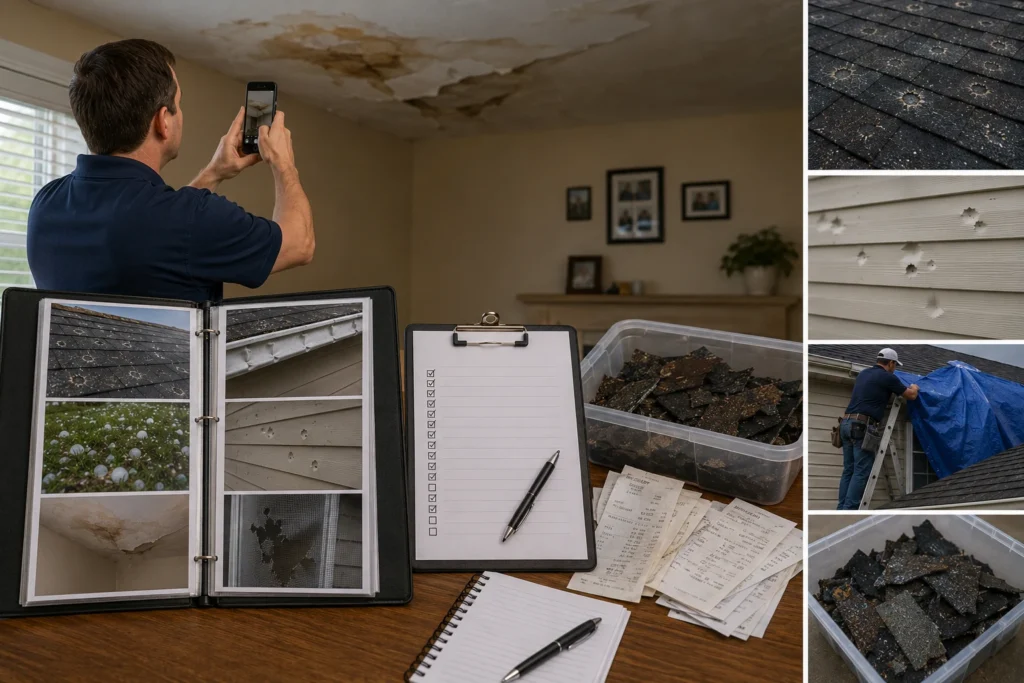
Hailstorms create chaos fast. One minute the sky looks dark and heavy. The next? Roof shingles are cracking, gutters are dented, windows are rattling, and homeowners are staring at thousands of dollars in potential property damage. That is exactly why understanding How to Document Hail Damage for an Insurance Claim matters so much.
Documentation is not just paperwork. It is leverage. It is proof. And in many cases, it becomes the difference between a smooth insurance payout and a frustrating dispute that drags on for months. Many homeowners wait too long. Others take a few blurry photos and assume that is enough. Unfortunately, insurance companies usually expect far more detailed evidence than most people realize.
If you own property in storm-prone areas like Abilene, strong documentation becomes even more important because hail claims are incredibly common and insurers scrutinize them carefully. This guide breaks everything down step-by-step. Real-world actions. Practical strategies. No fluff. Just actionable information that helps homeowners protect themselves before hiring contractors, roofers, or public adjusters.
Why Proper Documentation Matters So Much
Insurance companies do not simply take a homeowner’s word for it. They investigate. They compare evidence. They review timelines. They inspect patterns. They analyze whether damage truly came from a recent storm or from long-term wear and tear. That process becomes much easier when homeowners build a strong evidence file early.
Weak documentation creates problems like:
- Delayed claim approvals
- Partial settlements
- Denials
- Disputes over scope
- Arguments about pre-existing damage
- Low repair estimates
Strong documentation creates leverage.
Here is the difference.
| Weak Documentation | Strong Documentation |
| Few blurry photos | Clear timestamped images |
| Missing storm dates | Verified weather reports |
| No repair receipts | Organized mitigation records |
| No interior evidence | Full inside/outside documentation |
| Delayed reporting | Immediate evidence collection |
The reality is simple. Insurance adjusters change. Files get transferred. Inspections vary in quality. Documentation protects homeowners when those variables start creating problems. And honestly? Many disputes could have been avoided entirely with better evidence gathered during the first 48 hours after the storm.
Safety Comes First Before Any Inspection
Let’s make this very clear. Do not climb onto a storm-damaged roof immediately after hail. Seriously.
Wet shingles, soft decking, loose flashing, and hidden structural damage can turn a simple inspection into a medical emergency fast. Professional roof inspectors use specialized footwear, harness systems, and safety procedures for a reason. Homeowners should start from ground level first.
Safe areas to inspect include:
- Gutters
- Downspouts
- Window screens
- Garage doors
- Siding
- Fences
- Outdoor HVAC units
- Patio furniture
These surfaces often show hail impacts clearly and provide early evidence of storm severity.
Look for:
- Circular dents
- Cracks
- Chipped paint
- Broken edges
- Granule buildup near downspouts
- Bent metal components
If you notice active leaking, sagging ceilings, electrical hazards, or broken skylights, contact professionals immediately. No insurance claim is worth a serious injury.
The First 24 Hours Matter Enormously
Timing changes everything in hail claims. The longer homeowners wait, the harder it becomes to prove what actually happened. Rain continues falling. Wind loosens materials further. Temporary repairs alter damage patterns. Foot traffic changes impact marks. Sun exposure dries out moisture evidence. And unfortunately, insurers sometimes use those delays against policyholders. That is why one of the biggest parts of How to Document Hail Damage for an Insurance Claim involves immediate evidence collection.
Start early. Even basic documentation gathered quickly can become incredibly valuable later.
How to Take Insurance-Friendly Damage Photos
Photos are the backbone of almost every hail claim. Not random pictures though. Strategic pictures. Insurance companies want context, scale, clarity, and consistency. That means homeowners should approach documentation systematically instead of casually snapping a few images from the driveway.
Start With Wide-Angle Photos
Begin by documenting the entire property.
Capture:
- Full roof elevations
- Front and rear exterior views
- Driveway areas
- Fence lines
- Detached structures
- Landscaping damage
Wide shots establish overall storm impact. Then move closer.
Capture Detailed Close-Ups
Take clear close-range images of:
- Hail bruising
- Cracked shingles
- Soft metal dents
- Granule loss
- Broken siding
Use multiple angles. Lighting matters too. Early morning or late afternoon sunlight often highlights hail impacts better than harsh midday lighting.
Use Scale References
This is extremely important. Include a ruler, tape measure, coin, or marker near visible damage so adjusters can judge impact size accurately. Without scale references, insurers may minimize severity.
Enable Timestamps
Timestamped images strengthen credibility enormously. Most smartphones already store metadata automatically, but homeowners should still confirm date settings are accurate before documenting anything.
Areas Homeowners Commonly Forget to Photograph
This happens constantly. People focus only on the roof and ignore everything else. That creates incomplete claim files. Some of the most persuasive hail evidence often appears on secondary surfaces instead. Photograph these areas carefully.
Gutters and Downspouts
Metal dents often show hail size clearly. These impacts can support roof damage arguments later.
Window Screens
Torn screens frequently indicate strong storm intensity.
Garage Doors
Soft metals dent easily during hail events.
HVAC Units
Condenser fins commonly show impact damage.
Interior Water Damage
Do not forget inside areas.
Document:
- Ceiling stains
- Wet insulation
- Attic moisture
- Peeling paint
- Bubbling drywall
- Mold growth
Interior evidence helps establish storm-related intrusion timelines.
Personal Property
Outdoor items matter too.
Document damage to:
- Patio furniture
- Vehicles
- Grills
- Pergolas
- Outdoor electronics
Every damaged item contributes to the overall claim picture.
Video Documentation Adds Context Photos Cannot Capture
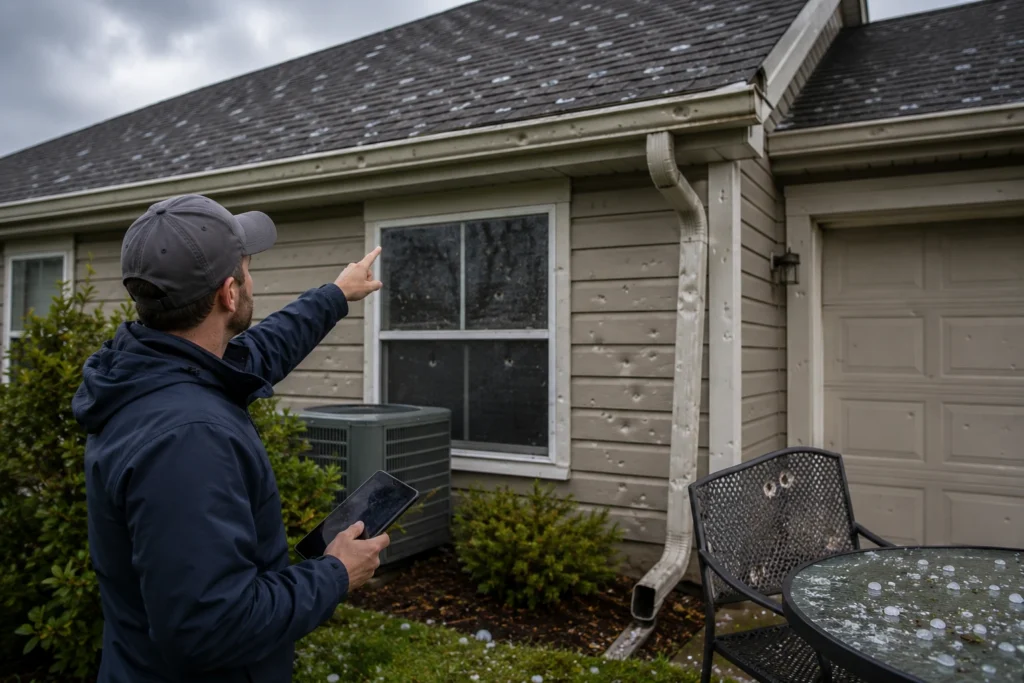
Photos freeze moments. Videos tell stories. That difference matters during complicated insurance disputes. A slow walkthrough video provides context adjusters cannot always get from still images alone.
Video can show:
- Widespread damage patterns
- Water actively leaking
- Hail accumulation
- Roof slope conditions
- Entire exterior elevations
- Neighborhood storm severity
Narration helps too.
Speak clearly during recording.
Mention:
- Date
- Time
- Property location
- Areas being inspected
- Visible concerns
For example:
“This is the north slope of the roof immediately after the hailstorm on May 12th. Visible granule loss and bruising are present near the vent flashing.”
Simple narration creates organized evidence. Avoid shaky movement though. Slow and steady works best.
Document the Actual Hailstones
This step gets overlooked constantly. And it can become incredibly valuable later. If hailstones remain on the ground safely after the storm, photograph them immediately before they melt. Use a ruler or coin beside the hailstones for size comparison. Insurance carriers frequently compare reported hail sizes against local storm data. Larger hail usually correlates with more severe roof damage.
Homeowners should also document:
- Approximate storm duration
- Wind direction
- Rain intensity
- Time hail began
- Time hail stopped
These details strengthen storm verification later.
Build a Detailed Written Timeline
Good claims tell clear stories. Timelines help create that clarity. One of the smartest parts of How to Document Hail Damage for an Insurance Claim is maintaining a written record from the beginning. Create a simple storm log.
Include:
| Timeline Item | Example |
| Storm Date | May 12, 2026 |
| Approximate Time | 7:45 PM |
| Hail Size | Quarter-sized |
| Damage First Noticed | 8:15 PM |
| Temporary Repairs | Roof tarp installed May 13 |
| Insurance Contact | Claim opened May 14 |
This log helps prevent confusion later when multiple inspections, calls, and estimates start piling up. Trust me, details blur together quickly during large claims.
Keep a Communication Log Too
This becomes critical during disputes. Every phone call should be documented. Every email should be saved. Every inspection date should be recorded.
Your communication file should include:
- Adjuster names
- Contractor names
- Phone numbers
- Claim numbers
- Dates of conversations
- Summary of discussions
- Promises made
- Follow-up requests
Insurance claims can last months. Sometimes longer. Without organized records, homeowners often forget who said what. That creates avoidable confusion.
Weather Reports Strengthen Claim Credibility
Independent weather verification matters more than most homeowners realize. Insurance companies regularly compare property damage against regional storm data. That means homeowners should gather supporting weather evidence early.
Helpful sources include:
- NOAA storm reports
- Local weather stations
- Radar archives
- Storm tracking apps
- Meteorological databases
NOAA severe weather reports are especially valuable because they provide verified hail size information and storm timing data. The more your property evidence matches official storm records, the stronger your claim becomes. This is one reason professional claim documentation often includes detailed weather analysis alongside photos and inspection reports.
Temporary Repairs Must Be Documented Carefully
This part trips homeowners up constantly. Insurance policies usually require property owners to prevent additional damage after storms. That means temporary mitigation is often necessary.
Examples include:
- Emergency tarping
- Water extraction
- Temporary sealing
- Boarding broken windows
But here is the problem. If homeowners repair damage before documenting it properly, they may accidentally destroy important evidence. So the order matters.
First:
Photograph everything thoroughly.
Then:
Complete temporary mitigation. And save every receipt. Seriously. Every single one.
Keep records for:
- Materials
- Labor
- Hotel stays
- Equipment rentals
- Emergency services
- Water removal
- Temporary housing
These expenses may qualify for reimbursement depending on policy language.
Professional Roof Inspections Reveal Hidden Damage
Not all hail damage is obvious. Actually, some of the most expensive problems remain invisible from the ground.
Professional inspections often uncover:
- Soft bruising beneath shingles
- Underlayment damage
- Flashing separation
- Ventilation failures
- Fastener damage
- Decking deterioration
This is where many homeowners in Abilene discover their initial assumptions underestimated the true scope of loss.
Experienced inspectors usually provide documentation packages containing:
- Annotated photographs
- Roof diagrams
- Measurement reports
- Damage summaries
- Moisture readings
- Repair recommendations
Those reports can become extremely important if insurers attempt to under-scope the claim later.
Insurance Companies Commonly Dispute Hail Claims
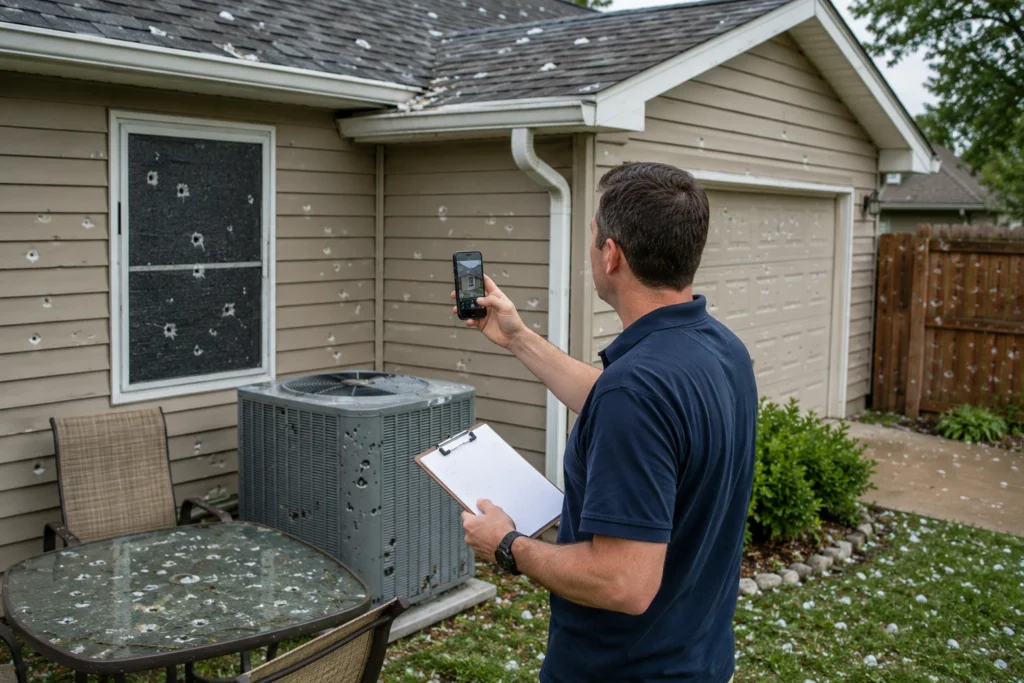
This surprises many homeowners. They assume visible damage guarantees smooth approval. Unfortunately, claims rarely work that simply.
Insurance carriers often dispute:
Wear and Tear vs. Storm Damage
One of the most common denial arguments.
Insurers may claim damage resulted from:
- Aging
- Deterioration
- Poor maintenance
- Prior exposure
- Thermal cracking
Strong storm documentation helps separate recent hail impacts from older roof conditions.
Partial Approvals
Sometimes insurers approve only portions of damage.
For example:
- One roof slope instead of all slopes
- Shingles but not accessories
- Repairs instead of replacement
These scope disputes happen constantly.
Delayed Reporting
The longer homeowners wait, the more scrutiny claims usually receive.
Insurers may argue:
- Damage worsened later
- Evidence changed
- Repairs altered conditions
- Moisture came from unrelated sources
That is another reason why understanding How to Document Hail Damage for an Insurance Claim early matters so much.
Strong Documentation Also Protects Your Roof Long-Term
Strong documentation also helps homeowners understand the long-term protection strategy for their property, not just the immediate insurance process. Many roofing professionals recommend reviewing guides like “Hail Damage Roof Insurance Claim: How to Protect Your Roof” before beginning repairs because preventative planning often reduces future claim complications. In more advanced property investigations, professionals sometimes rely on analytical methods similar to photogrammetry, which uses precise photographic measurements to evaluate structures and damage patterns with greater accuracy.
Common Mistakes That Hurt Hail Claims
Some homeowner decisions unintentionally weaken strong cases. Avoid these mistakes.
Taking Too Few Photos
You can never really have too many clear images.
Waiting Weeks to Inspect
Storm evidence changes fast.
Throwing Away Damaged Materials
Keep damaged shingles or components whenever possible.
Starting Permanent Repairs Too Early
Premature repairs can destroy evidence before insurer inspections occur.
Relying Only on Insurance Adjuster Photos
Always maintain your own documentation file.
Forgetting Interior Evidence
Roof leaks often create interior damage later. Document everything thoroughly.
Organize Your Claim File Like a Professional
Organization creates efficiency. And efficient claim files often lead to smoother negotiations.
Create digital folders like:
- Roof Photos
- Interior Damage
- Weather Reports
- Receipts
- Adjuster Communications
- Inspection Reports
- Contractor Estimates
- Temporary Repairs
Cloud storage helps tremendously too.
Options include:
- Google Drive
- Dropbox
- iCloud
- OneDrive
Backups matter.
Losing evidence halfway through a large insurance dispute becomes a nightmare. File naming also helps enormously.
Instead of random filenames, use clear labels like:
- SouthSlope_HailDamage_May2026
- GarageLeak_InteriorDamage
- NOAA_StormReport_051226
Simple organization saves hours later.
Why Independent Documentation Often Changes Claim Outcomes
Insurance adjusters handle huge workloads after major storms. Mistakes happen. Missed damage happens too. That is why independent inspections and organized evidence often become the deciding factor during disputes.
Detailed documentation helps homeowners:
- Support supplements
- Challenge low estimates
- Verify code requirements
- Identify hidden damage
- Negotiate more effectively
This becomes especially important during severe Texas storm seasons when claim volumes surge dramatically. The stronger the evidence package, the harder it becomes for important damage categories to be ignored.
When Homeowners Should Consider a Public Adjuster
Not every hail claim requires outside representation. Some claims move smoothly. Others absolutely do not.
Homeowners may want professional help when:
- Claims are denied
- Settlement offers seem too low
- Roof replacements are disputed
- Commercial properties are involved
- Multiple inspections conflict
- Damage is extensive
- Supplements become complicated
Public adjusters help organize evidence, interpret policy language, prepare documentation, and negotiate directly with insurers. And honestly, documentation quality often improves dramatically once experienced claim professionals become involved. Especially during complex storm losses.
Questions Homeowners Should Ask Before Hiring Anyone
Before signing contracts with contractors, roofers, or adjusters, ask direct questions. Important ones.
Ask About Licensing
Verify credentials first.
Ask About Storm Claim Experience
General construction experience is not the same as hail claim expertise.
Ask About Documentation Procedures
How detailed are their reports? Do they use measurement software? Do they provide annotated photos?
Ask About Communication Practices
Poor communication creates major frustrations later.
Ask About Fee Structures
Understand compensation clearly before moving forward. Transparency matters.
Documentation Is Ultimately About Leverage
Here is the reality most homeowners eventually discover. Insurance claims are evidence-driven negotiations. Not emotional conversations. The better your documentation, the stronger your position becomes. That does not guarantee conflict-free claims. But it dramatically improves the chances of fair evaluations.
Especially when storms create widespread regional damage and insurers face massive claim volume simultaneously. If homeowners remember one thing from this guide, it should be this: Start documenting immediately. Stay organized. Preserve evidence carefully. And never assume someone else is documenting everything properly on your behalf. Because when claim disputes begin, the strongest file usually wins. And in hail-prone areas like Abilene, preparation matters far more than most people realize.
FAQs
You should begin documenting damage as soon as it is safe to do so. Early evidence helps strengthen insurance claims significantly.
Wide-angle roof photos, close-up impact shots, gutter dents, interior leaks, and timestamped images are all extremely important.
Yes. Claims may be denied if insurers believe damage resulted from wear and tear, aging, or delayed reporting.
Professional inspections often uncover hidden hail damage that homeowners cannot safely identify from the ground.
Absolutely. Verified storm data helps confirm hail size, storm timing, and weather conditions tied to the claim.
Yes, but photograph all damage first and keep receipts for every emergency repair expense.
Some hail damage becomes noticeable later as leaks, moisture issues, or weakened roofing materials develop over time.
Detailed records help track inspections, conversations, claim updates, and insurer decisions throughout the process.
Yes. Keeping damaged shingles or materials may help support disputes about storm-related damage later.
You may want professional help if your claim is denied, underpaid, delayed, or involves extensive roof damage.